Eyelid Surgery
Eyelid surgery can address excess upper-eyelid skin or selected lower-eyelid changes. The approach is planned around eyelid anatomy and individual expectations.
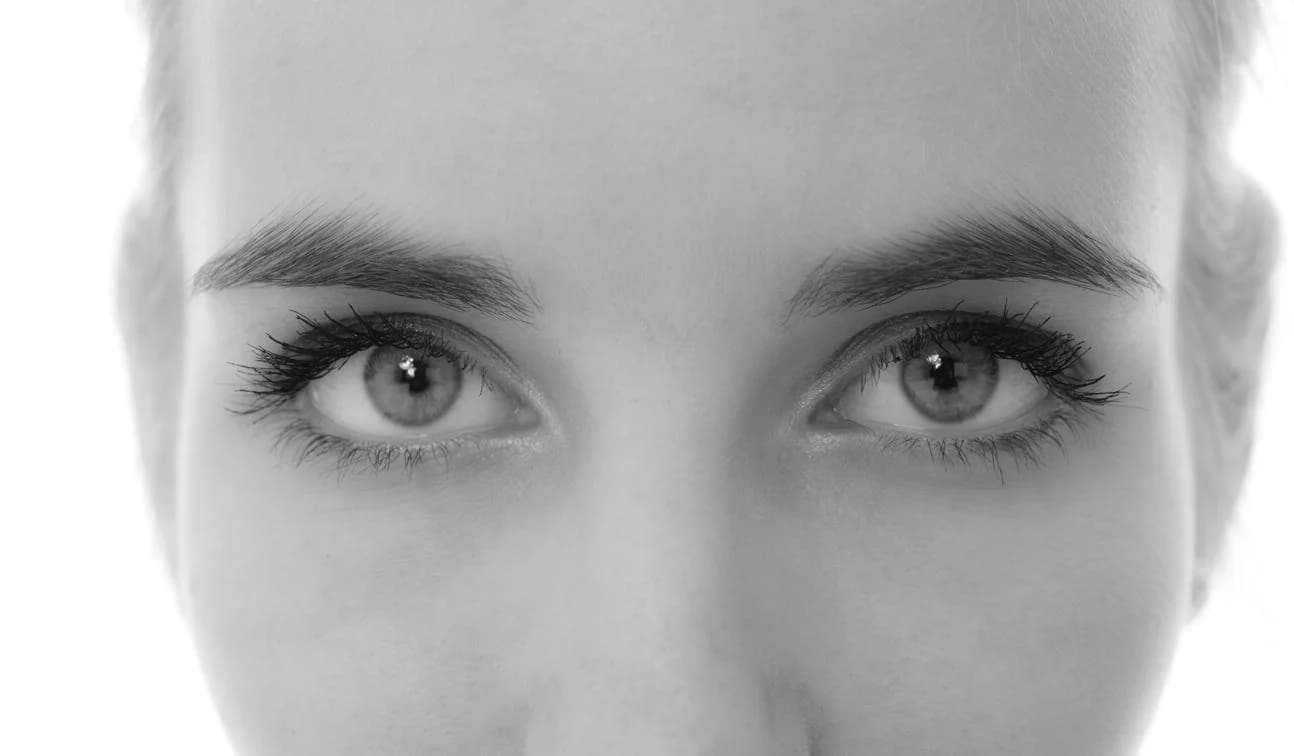
Eyelid surgery
The eye area often shows age-related changes early. Loose upper-eyelid skin, lines and prominent lower-eyelid bags can make the eyes look tired or heavy. The extent of these changes varies and may also be hereditary.
Whether surgery is appropriate depends more on individual anatomy and expectations than on age alone.
What can eyelid surgery correct?
Both eyes and the surrounding structures are carefully assessed. The position of the eyebrows matters when planning upper-eyelid surgery; lower-eyelid planning also considers tissue support and fat pads.
Excess skin can be removed with precision. Depending on the findings, fat may be conservatively reduced or repositioned, aiming for a correction suited to the natural eye shape.
What changes are possible?
Upper-eyelid surgery may make the eyes appear more open and less heavy. The incision is generally placed within the natural eyelid crease to make the scar less conspicuous.
Lower-eyelid surgery may reduce prominent bags and excess skin. Smiling lines and the natural colour and texture of the thin lower-eyelid skin are not necessarily changed by surgery.
Anaesthesia and clinic stay
Upper- or lower-eyelid surgery can usually be performed as an outpatient procedure under local anaesthesia, sometimes combined with sedation.
General anaesthesia may be considered when treating both upper and lower eyelids or when individually indicated. The choice is discussed before surgery.
Preparing for surgery
Medical conditions and medications are reviewed before the procedure. Do not stop or change prescribed medication without discussing it with the clinical team.
Come to the appointment without eye make-up. Dark sunglasses can be useful for the journey home and the first days of recovery.
How is the procedure performed?
The incision lines are marked carefully before surgery. Excess skin and, if needed, underlying tissue are adjusted according to the individual findings, then closed with fine stitches.
The clinic's existing guidance describes an operation time of approximately one to one-and-a-half hours, depending on the areas treated.
The first days after eyelid surgery
Swelling and bruising around the eyes are common after surgery. Swelling usually begins to settle over the first few days, while bruising may remain visible for longer.
An incision placed within the natural upper-eyelid crease generally becomes less noticeable as healing progresses, although every incision leaves a scar.
Risks and potential complications
Possible risks include bleeding, infection, impaired wound healing, noticeable scars and residual asymmetry. Some cases may require additional corrective treatment.
After lower-eyelid surgery, the eyelid may temporarily pull away slightly or the eye may water more than usual. Unusual symptoms or pronounced one-sided discomfort should be assessed promptly by a doctor.
Aftercare
Cool, moist compresses may help soothe the area during the first one to two days. Fine sutures may be removed after only a few days depending on healing and the technique used.
Avoid make-up, creams or ointments directly on an incision that has not healed. Follow the clinic's instructions on wound care and sun protection.
Frequently asked questions
How long does eyelid surgery take?
The procedure usually takes around one to one-and-a-half hours. The precise duration depends on whether the upper lids, lower lids or both are treated.
How long do swelling and bruising last?
Swelling commonly improves after two to three days; bruising often decreases noticeably within about a week. Recovery differs between individuals.
When are the stitches removed?
According to the clinic's existing guidance, the fine stitches may be removed as early as the second day, followed by protective skin-coloured strips. Your personal aftercare plan may differ.
Where is the scar after upper-eyelid surgery?
The incision is planned within the natural eyelid crease so the scar can be relatively discreet when the eyes are open. It generally becomes less noticeable over time.
When can I wear eye make-up again?
Make-up, creams and ointments should not be applied to fresh incisions during the first week. The clinical team will advise when the skin has healed sufficiently.
Personal consultation
Individual suitability, expected outcomes, recovery and risks can be discussed with your specialist.
Request a consultation