Ear Correction
Ear correction surgery can adjust protruding or differently shaped ears in children or adults. The cartilage is reshaped according to individual anatomy.
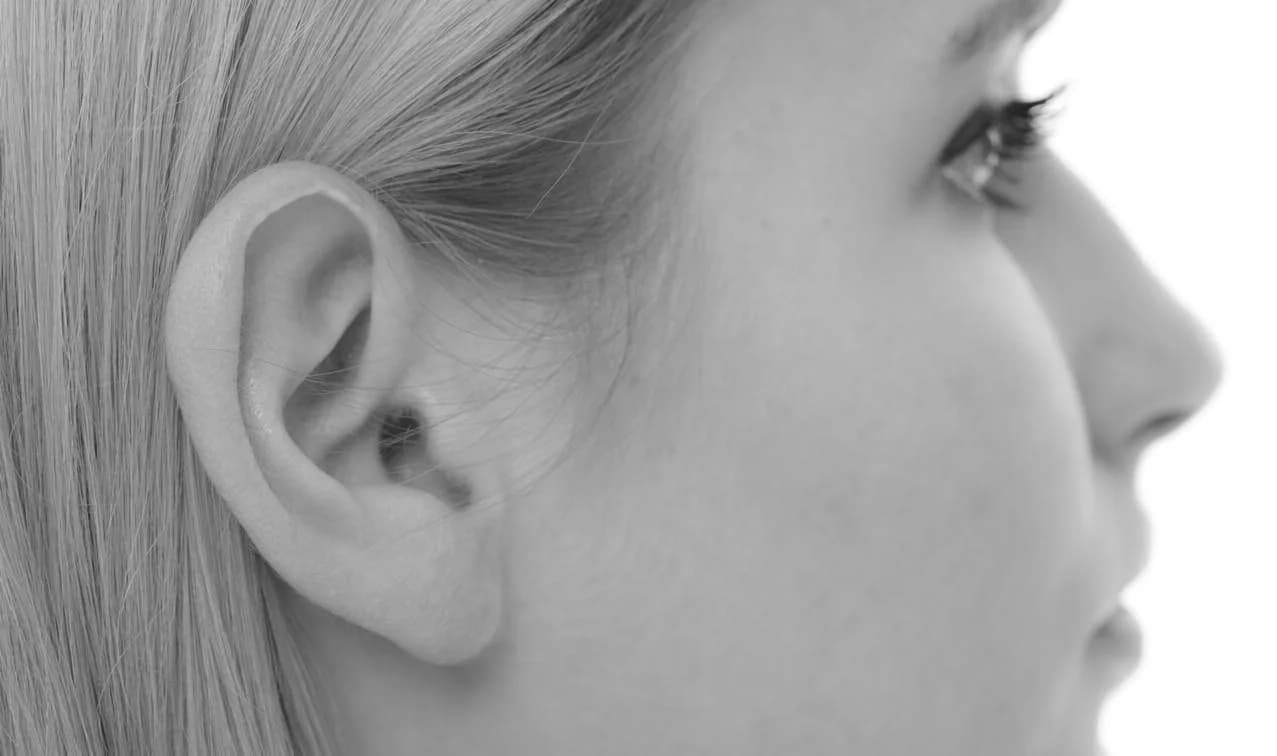
Ear correction surgery
Protruding or unusually shaped ears are often related to the natural development of ear cartilage. Some people find the difference bothersome from childhood, while others seek treatment as adults.
Correction involves reshaping cartilage to improve ear position and form. The suitable timing and approach are discussed individually.
How is the ear reshaped?
In protruding ears, the natural antihelical fold may be underdeveloped. Other parts of the cartilage can also affect how far the ear projects.
An incision is usually placed discreetly behind the ear. The cartilage is reshaped and secured in a position designed to look natural and balanced in relation to the head.
Anaesthesia and clinic stay
Adults and school-age children may be treated under local anaesthesia. General anaesthesia is another option depending on age, preferences and clinical circumstances.
Ear correction may be performed as a day procedure or with a short clinic stay. The need for an overnight stay is discussed beforehand.
Preparing for surgery
A wide, soft headband is useful for protecting the ears, especially at night after surgery. The team also reviews medications and any relevant medical conditions.
Only make changes to your medication if instructed by the treating clinician.
How is ear correction performed?
The surgeon usually approaches the ear from behind, reshapes the cartilage and uses fine sutures to support its new form. When treating both ears, they are corrected in turn.
The clinic's existing guidance gives approximately two hours for the procedure. A protective dressing is applied afterwards.
Healing after ear correction
Mild pain, swelling and bruising may occur. The larger initial dressing is usually removed after several days, but the ears remain sensitive during early healing.
A soft headband helps prevent the cartilage from folding accidentally while sleeping or lying down. The final contour should not be assessed while swelling remains.
Risks and potential complications
Possible complications include bruising, infection, wound-healing difficulties, more prominent scars and temporary changes in sensation.
Severe or unusual pain should be checked by a clinician, as a tight dressing, haematoma or infection may be responsible. Some asymmetry may remain because ears are not naturally identical.
Aftercare
Protect the ears from pressure, pulling and accidental folding in the first weeks. A soft headband is particularly useful at night.
Limit strenuous activities and exposure to extreme sun or cold as advised by your treating team.
Frequently asked questions
Can adults have ear correction surgery?
Yes. Ear correction can be considered for both children and adults. In children it may be discussed before starting school; suitability is assessed individually.
Is general anaesthesia always needed?
No. Adults and school-age children can sometimes be treated under local anaesthesia. General anaesthesia can be chosen when appropriate.
Can I go home the same day?
Ear correction may be performed as a day procedure. An overnight stay can also be arranged depending on the treatment and recovery.
How long should I wear a headband?
The clinic's existing guidance recommends a wide, soft headband when sleeping or lying down for the first three weeks to protect the ears.
When is the final result visible?
Swelling and discolouration need time to resolve. The clinic's existing guidance suggests that the final result can generally be assessed after about two to three months.
Personal consultation
Individual suitability, expected outcomes, recovery and risks can be discussed with your specialist.
Request a consultation